
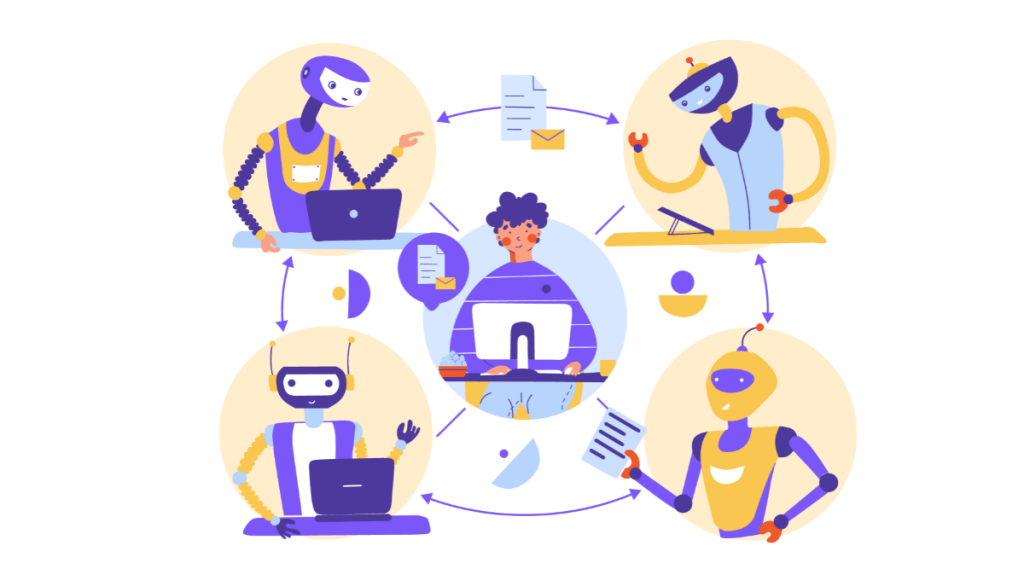
Account-Based Marketing (ABM) has long been a revered strategy in B2B landscapes, serving as a precise and efficient way to engage with high-value clients. With the advent of AI technologies, companies like aibdr.co are poised to revolutionize how ABM is conducted. By merging the innovative capabilities of Floworks.ai, these companies aim to integrate AI seamlessly into ABM strategies, ensuring a more personalized and effective approach to reaching target accounts.
Understanding AI-Driven Account-Based Marketing
Defining Key Concepts and Their Interactions
Account-Based Marketing focuses sharply on individual client accounts rather than casting a wide net and hoping for relevance. This targeted method demands high levels of customization and understanding of client needs. AI-driven ABM takes this a step further by enhancing the depth of personalization and insight companies can achieve. Artificial Intelligence analyzes vast datasets to discern patterns and predict outcomes that inform marketing strategies.
For example, AI can dissect web behavior, past purchasing habits, and even social media activity to craft highly personalized marketing materials, thus making each engagement point far more relevant to the prospect. It creates a dynamic where marketing efforts are no longer reactive but highly predictive and tailored to individual client journeys.
The Role of AI in Personalizing B2B Marketing
AI’s role in personalizing B2B marketing is paramount, acting as an intelligent partner in the construction of marketing messages that resonate with nuances. At its core, AI processes complex datasets faster than any human can, delivering insights that help tailor messages precisely to client expectations.
Consider AI as a personal assistant that organizes client meetings based on past interactions or prioritizes email outreach by predicting which content will likely engage the recipient best. AI can even suggest the best communication channels based on the client’s previous responsiveness, ensuring that every touchpoint is as effective as possible.

Overcoming Common Challenges in AI-Driven ABM
While AI offers substantial advantages, deploying it in ABM involves overcoming certain hurdles. One significant challenge is integrating AI tools with existing systems. Companies like aibdr.co provide solutions that prioritize seamless integration without disrupting existing workflows, facilitating a smoother transition into the AI-augmented marketing era.
Data quality also poses a challenge. AI relies heavily on accurate data to function optimally. Thus, companies must ensure that their data collection methods are robust and their databases current. Moreover, there is the issue of training teams to effectively use AI tools. Without proper training, the potential of these technologies can remain untapped, leading to suboptimal results. Engaging in comprehensive training programs can address this, equipping teams with the knowledge to harness AI’s full capabilities.
Core Benefits of AI in B2B Marketing
Enhancing Targeting with AI Algorithms
Targeting in ABM is sharpened significantly by AI algorithms that segment audiences with remarkable precision. These algorithms analyze historical data, customer behavior, and market trends to identify the segments most likely to convert.
For businesses, this means that marketing resources are not wasted on uninterested leads but concentrated where they promise the highest return. Furthermore, AI’s predictive capabilities can anticipate shifts in customer needs, allowing for proactive adjustments in marketing strategies.
Improving Engagement through Predictive Analytics
Predictive analytics, powered by AI, stands as a cornerstone for enhancing engagement in B2B marketing. These analytics provide actionable insights, such as determining the best times to reach out to prospects or predicting the type of content that will most likely encourage interaction.
Such intelligence allows BDR teams to craft personalized follow-ups and maintain a consistent and engaging dialogue with their counterparts. This ensures that each interaction is purposeful and constructive, thereby fostering stronger client relationships and higher conversion rates.
Case Studies: Success Stories of AI in ABM
Numerous companies have begun to see the profound impact of AI on their ABM strategies. For example, companies using Floworks.ai have reported significant improvements in their conversion rates and a drastic reduction in the time spent on manual data entry and analysis.
One illustrative case involves a B2B firm that integrated AI tools for data analysis, which yielded a 30% increase in lead conversion within six months. The firm utilized predictive insights to optimize their marketing funnels, adjusting their campaigns dynamically based on real-time data about client interactions and feedback.
This transformation underscores AI’s potential to not just enhance but redefine ABM tactics, turning them into highly personalized and effective client outreach strategies.
Automating Business Development with AI
AI Tools Transforming BDR Workflows
AI tools are fundamentally enhancing how Business Development Representatives (BDRs) work, turning tedious manual tasks into automated processes. From automating email outreach to intelligently managing CRM updates, AI tools such as those offered by aibdr.co are designed to optimize workflows.
Using AI, BDRs can allocate more time to strategic thinking and personal connection-building rather than bogging down in repetitive tasks. AI’s automated scheduling and data management functionalities streamline daily operations, making workflows more efficient and less prone to human error.
Efficient Lead Qualification and Scoring
Lead qualification is another area where AI demonstrates its prowess in transforming business development. AI systems employ sophisticated models to evaluate leads’ potential value, filtering through numerous criteria to ensure that BDRs engage with prospects bearing the highest converting potential.
These systems are proficient in scanning for relevant customer signals, such as spending patterns and social media interactions, to score leads effectively. By doing so, companies can focus their resources more judiciously and enhance their chances of securing valuable business relationships.
Real-Time Data Analysis and Insights
In the world of B2B marketing, real-time data is priceless. AI tools facilitate instantaneous data analysis, providing insights that are both timely and actionable. aibdr.co, leveraging Floworks.ai’s capabilities, provides cutting-edge solutions for real-time data analytics, enabling BDRs to stay ahead of trends and swiftly adjust strategies.
The ability to make informed decisions based on real-time insights equips businesses with a competitive edge, helping them to adapt quickly to client needs and market shifts, ensuring that their marketing efforts remain effective and relevant.
BDR Strategies Enriched by AI Insights
Optimizing Outreach with Machine Learning
Incorporating machine learning into business development strategies allows BDRs to refine how they connect with prospects. By analyzing past interactions, machine learning models identify patterns and preferences that enable BDRs to tailor their outreach efforts more effectively. With tools like those from aibdr.co, BDRs can utilize data-driven insights to enhance their communication tactics and target messages with precision.
Machine learning can predict optimal times for engagement, suggest the most appealing content formats, and even forecast which prospects are more likely to convert. This ensures that every contact with potential clients is meaningful and timely, maximizing the impact of outreach activities.
Developing AI-Enhanced Communication Tactics
AI provides invaluable assistance in shaping communication strategies that resonate with target audiences. By analyzing language patterns and sentiment in previous interactions, AI tools can suggest improvements in messaging tone and style, making communications more persuasive and relatable.
For instance, AI can highlight phrases or keywords that elicit positive responses, allowing BDRs to craft compelling narratives that engage prospects. Image placements in emails, supported by visual data analytics, can further enhance communication by breaking down complex information into more digestible formats.

Integrating AI into Sales Processes
Integrating AI into the sales process involves adopting technology that supports decision-making, forecasting, and customer engagement. AI’s ability to process and interpret large data volumes means sales teams can better predict client needs, refine sales pitches, and identify upsell opportunities.
AI can also automate parts of the sales funnel, such as follow-up schedules, freeing up BDRs to focus on high-value activities. By maintaining this consistent, AI-fueled momentum, businesses enhance their ability to drive conversions and foster lasting relationships with clients.
Collaborative Potential of AI and BDRs
Fostering a Synergy between Human and Machine
The collaboration between AI and BDRs creates a dynamic where human intuition and machine intelligence amplify each other’s strengths. AI handles the heavy lifting in data processing, while humans apply creativity and emotional intelligence to nurture client relationships.
By using AI tools provided by aibdr.co, human teams become empowered to make informed decisions, focusing more on strategic initiatives rather than operational details. This synergy leads to more innovative solutions and a more nuanced understanding of client needs.
Training BDRs for AI Compatibility
Ensuring that BDRs are equipped to work effectively with AI tools requires targeted training programs. These programs should focus on developing digital literacy, an understanding of AI interfaces, and the ability to interpret AI-generated insights.
Training should also emphasize the ethical use of AI in sales, highlighting the importance of data privacy and transparency. By focusing on these areas, businesses can ensure that their teams are well-prepared to harness AI technologies responsibly and effectively.
Ensuring Ethical AI Usage in BDR Practices
Ethical considerations are paramount in the application of AI in marketing and sales contexts. Businesses must develop clear guidelines that establish ethical standards for AI usage, ensuring that AI tools are used to enhance, not exploit, client interactions.
Implementing AI responsibly involves maintaining transparency with clients about how their data is used and ensuring that AI-driven strategies comply with industry regulations. This builds trust with clients and sets a benchmark for ethical practices in AI-enhanced business development environments.
Technological Trends in Account-Based Marketing
Emerging AI Technologies in Marketing
Several emerging AI technologies are reshaping the landscape of account-based marketing. Natural Language Processing (NLP) and sentiment analysis, for example, are growing in prominence, allowing businesses to understand client feedback in real-time.
Additionally, AI-driven chatbots are becoming integral to customer service, providing immediate, personalized responses that enhance customer engagement. With constant advancements in AI, companies like aibdr.co are at the forefront of incorporating these technologies into their ABM strategies.
The Future of AI and ABM
The future of AI in ABM promises further integration and sophistication, where AI models become even more predictive and personalization reaches new heights. Virtual reality (VR) and augmented reality (AR) are set to become more prevalent, offering immersive experiences that enhance client interaction.
As AI continues to evolve, businesses can expect to see a deeper synthesis of AI tools within their ABM frameworks, leading to exceptionally customized marketing efforts grounded in advanced analytics and machine learning predictions.
Adapting to a Rapidly Evolving Digital Landscape
Adapting to the ever-changing digital landscape requires businesses to stay agile and open to incorporating new technologies. This involves continuously updating digital strategies, investing in employee training, and fostering a culture of innovation.
By staying informed about technological advancements and adopting a proactive approach to change, businesses can remain competitive. Leveraging insights from tech leaders like Floworks.ai can guide adaptation strategies, ensuring that companies not only keep pace but excel in employing AI within ABM frameworks.
This dedication to embracing technological change will ultimately allow businesses to deliver personalized, efficient, and ethical client experiences, solidifying their positions as leaders in B2B marketing.
Conclusion
The confluence of AI and Account-Based Marketing (ABM) marks a significant evolution in B2B strategies, shaping a future where personalization and efficiency reign supreme. As presented through the capabilities of Floworks.ai and aibdr.co, AI transforms traditional approaches by infusing advanced technology into business development processes. Companies that embrace AI-driven ABM are positioned to benefit from improved targeting, personalized engagement, and insightful analytics that can drive profound business results.
Business Development Representatives (BDRs) stand to gain significantly from these advancements, as AI frees them from mundane tasks and enriches their strategic initiatives. By facilitating predictive insights and automating workflows, BDRs can sharpen their focus on forging meaningful connections and cultivating long-lasting client relationships.
As AI continues to evolve, its role in ABM and BDR strategies only strengthens, offering new opportunities to merge human intelligence with machine learning for more nuanced and effective marketing efforts. Companies should remain agile and open to embracing these innovations, ensuring that their marketing practices not only meet current standards but excel beyond them.
Ultimately, the success of AI-driven ABM lies in the collaboration between technology and human insight—striking a balance where each enhances the other. As businesses continue to navigate this landscape, maintaining ethical practices and prioritizing data quality will be crucial. The journey toward AI-enhanced ABM is just beginning, offering a promising horizon of opportunities to reshape how businesses connect with their most valued clients.
FAQs on AI and Account-Based Marketing
What tangible benefits can AI bring to Account-Based Marketing?
AI enhances Account-Based Marketing by offering improved targeting precision, personalized client engagement, and real-time data analysis. Through AI-driven insights, marketing teams can better understand client needs and tailor strategies that resonate more effectively with target accounts. This results in higher conversion rates, increased client satisfaction, and more strategic allocation of marketing resources.
How can small businesses implement AI-driven ABM effectively?
Small businesses can effectively implement AI-driven ABM by starting with scalable AI tools from providers like aibdr.co and Floworks.ai. Initial steps should involve identifying key areas where AI can offer immediate value, such as lead qualification and customer segmentation. Investing in employee training to ensure familiarity with AI tools and maintaining high-quality data sets are also essential for maximizing the potential of AI in ABM.
What are the potential risks of integrating AI into B2B marketing strategies?
While AI offers numerous advantages, potential risks include data privacy concerns, over-reliance on AI predictions, and challenges in integrating new AI tools with existing systems. It is crucial for businesses to ensure robust data governance practices to protect client information and to maintain a level of human oversight to verify AI-generated insights and recommendations. Properly integrating AI requires strategic planning and possible restructuring of workflows to fully realize its benefits.
What are some examples of AI applications that have successfully improved ABM strategies?
Several companies have seen substantial improvements by integrating AI into their ABM strategies. For instance, firms that have utilized AI for data-driven decision-making have reported enhanced client targeting and increased lead conversion rates. A specific example includes the deployment of AI algorithms by Floworks.ai, which helped a B2B firm achieve a 30% increase in conversions through refined marketing funnels and real-time engagement adjustments.
How does AI complement the work of BDRs in business development?
AI complements BDRs by automating repetitive tasks such as data entry and lead scoring. This allows BDRs to focus on more strategic aspects of business development, such as building personal client relationships and crafting tailored communication strategies. AI provides BDRs with actionable insights derived from data analysis, empowering them to engage prospects more effectively and maintain productive dialogues that result in stronger business outcomes.



 blog.aibdr.co
Leave a comment